
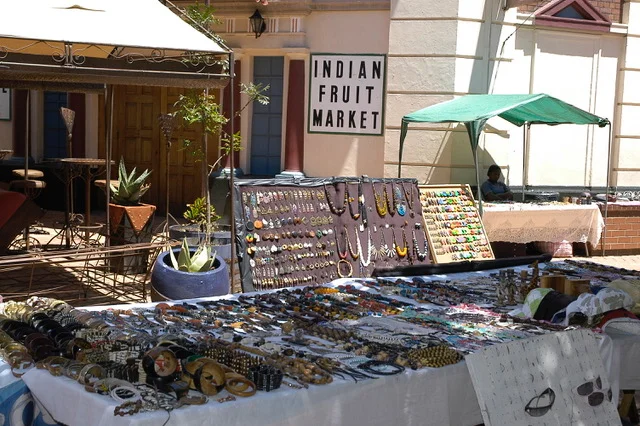
There is a moment most students do not expect. It does not happen in a classroom or on a timetable. It happens when they slow down enough to notice the small things. A hand-stitched pattern. The weight of a carved wooden bowl. The quiet pride of someone explaining how an object was made.
South Africa has a way of teaching through detail. Not through grand gestures, but through texture, colour, and story. For many international students, these moments become as memorable as the lessons they came for. Craft markets, studios, and community spaces reveal a country that creates with purpose and meaning, where beauty and livelihood are closely linked.
What looks like a simple souvenir often carries a much bigger story.
Craft as culture, not decoration
Across South Africa, craft is not treated as something ornamental. It is practical, cultural, and deeply human. Many of the country’s most recognisable handmade pieces come from traditions passed down over generations, while others blend heritage with modern materials and design.
This balance between old and new was brought into focus during a major cultural shift in the early 2000s. Initiatives launched around the World Summit on Sustainable Development in Johannesburg helped create platforms for craftspeople who had long worked in isolation. These programmes did more than showcase talent. They created access.
For students exploring South Africa, this matters. It means the objects they encounter are not mass produced replicas, but living expressions of place and people.
Where creativity found a home
One of the most important developments was the creation of a dedicated craft exhibition space in Newtown, Johannesburg. Housed in a former industrial building known as the Bus Factory, the space quickly became a meeting point for creators, buyers, and learners.
The centre was designed to do more than display work. It aimed to act as a hub for training, skills development, and market access, representing crafts from all nine provinces. Alongside the exhibition, a retail space made it possible for visitors to take a piece of that creativity home, while directly supporting the makers.
For students, places like this offer insight into how creativity and economics intersect. They show how culture can be sustained without being diluted.
A story rooted in the Eastern Cape
Further south, another powerful example emerged in the Eastern Cape. After participating in summit exhibitions, a group of local crafters realised their work had strong appeal, but lacked a permanent sales outlet.
With support from arts and culture initiatives, a small shop was opened in a busy tourist complex in Port Elizabeth. What began with nine crafters soon grew into a network of more than a hundred artisans, many from remote rural areas.
The shop, named EzamaXhosa, meaning “Belonging to the Xhosa People”, became a lifeline. Pottery, beadwork, textiles, leather goods, wooden carvings, and traditional clothing found an audience that valued both craft and story.
For students encountering these spaces, the experience is often grounding. It reveals how creativity can restore dignity, generate income, and strengthen community ties.
Learning beyond the classroom
What students fall in love with are not just the objects themselves. It is the context around them. The conversations. The understanding that learning English, or studying abroad, does not happen in isolation from place.
Craft spaces show South Africa as layered and complex. They teach patience, observation, and respect for process. They also highlight resilience. Many of these initiatives were born from the need to create opportunity where little existed before.
That lesson stays with students long after they leave.
Why these details matter
South Africa’s craft movement proves that small details can carry enormous weight. They reflect history, adaptability, and hope. They remind visitors that culture is not static, and that learning can happen anywhere if you are paying attention.
For students, these experiences often become touchstones. They are the stories shared back home. The moments that made South Africa feel personal.
And that is why the little details matter so much.