
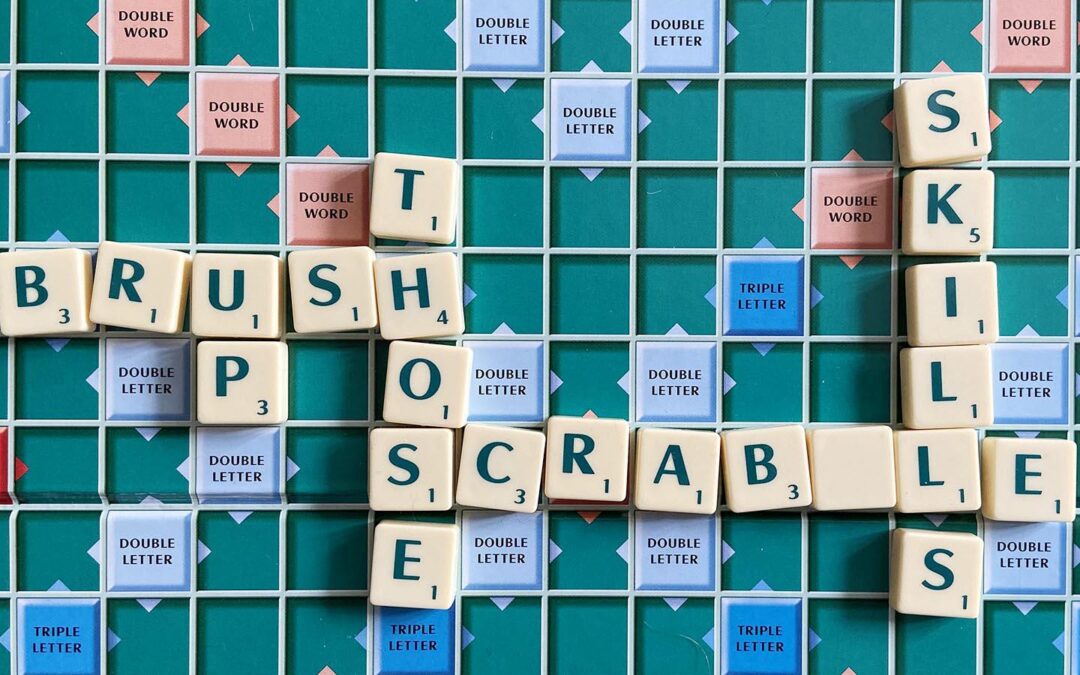
Learning English does not have to mean textbooks, grammar rules, or long exercises. Some of the best language learning happens when you are relaxed, laughing, and not even thinking about learning at all.
Games help you practise English naturally. You listen more closely. You speak without overthinking. You pick up new words without trying to memorise them.
Here are simple games you can play in class, with friends, or even at home that help improve your English in a fun and low-pressure way.
Speaking Points (for structure and flow)
1. Why games help you learn English faster
Games take the pressure off. When you are enjoying yourself, you are more willing to speak, make mistakes, and try again. This is exactly how language improves.
2. Word games that build vocabulary
Games that focus on words help you learn spelling, meaning, and pronunciation without drilling.
Examples:
-
Word association
-
Categories (name five things in a topic)
-
Scrabble or word card games
These games help you think in English instead of translating in your head.
3. Speaking games that build confidence
Many students understand English but feel nervous speaking it. Games make speaking feel normal and safe.
Examples:
-
Charades
-
Guess the word
-
Would you rather
You practise full sentences without feeling like you are being tested.
4. Listening games that sharpen understanding
Listening is just as important as speaking. Games help train your ear without it feeling like a lesson.
Examples:
-
Follow the instructions
-
Simon Says
-
Guess the sound or word
These games improve focus and comprehension naturally.
5. Group games that improve conversation
English is social. Group games teach turn-taking, asking questions, and responding clearly.
Examples:
-
Role play scenarios
-
Board games with question cards
-
Team challenges
You learn how English is used in real conversations, not just exercises.
6. Games you can play outside the classroom
Learning does not stop when class ends. Simple games work anywhere.
Examples:
-
English quizzes on your phone
-
Card games with English rules
-
Conversation games with friends
Short, fun practice is better than long, stressful study sessions.
7. Mistakes are part of the game
Games make mistakes feel normal. Everyone makes them. This helps you learn faster and speak more freely.
8. The big takeaway for students
If you want to improve your English, play more. Talk more. Laugh more.
The more comfortable you feel using English, the faster your confidence grows.
Closing thought
English is not only something you study. It is something you use.
Games help you use it without fear.