South Africa’s museums do more than preserve history. They quietly teach language.
You walk in expecting artefacts, timelines, and exhibitions. You walk out having read plaques, listened to guides, overheard conversations, asked questions, and absorbed new vocabulary without trying to memorise a single word.
This is why museum visits work so well as informal language lessons. They place English in context. Not in a classroom. Not on a worksheet. In real spaces, tied to real stories.
South Africa, home to the Cradle of Humankind World Heritage Site, has a social and cultural history that stretches back to the earliest human settlements. That depth shows up across more than 300 museums around the country, each offering a different way to engage with language through history, culture, and lived experience.
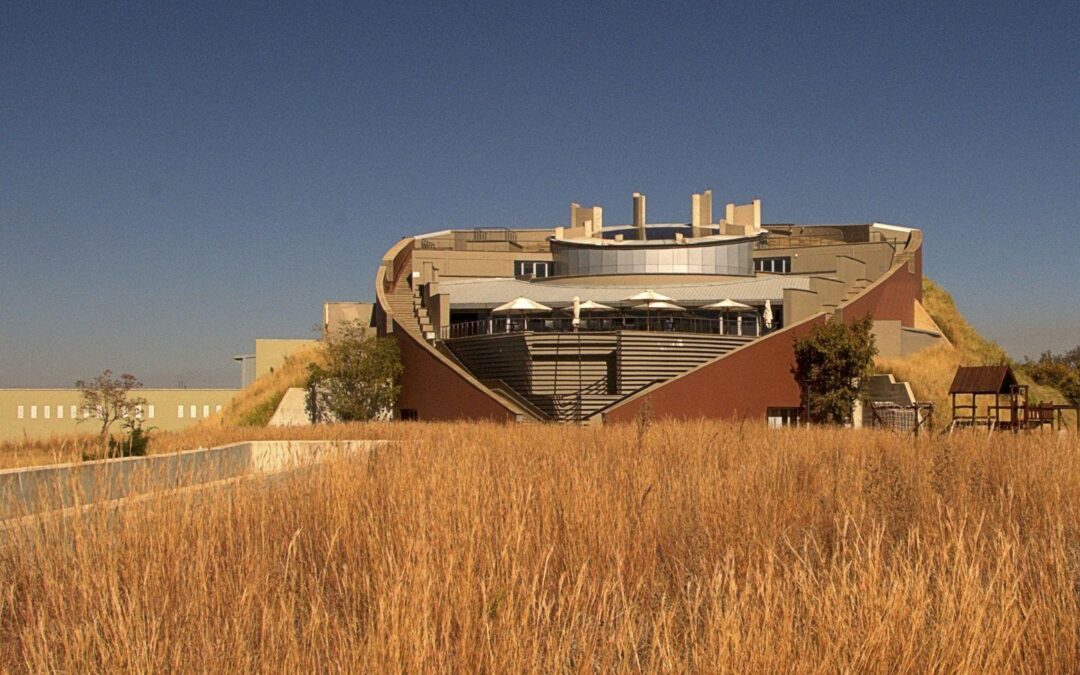
Some are housed in elegant 18th-century homes. Others are built into caves, cultural villages, or striking modern buildings in major cities. What they all share is language in motion. Labels to read. Audio guides to follow. Staff and visitors to engage with. Concepts that invite questions and discussion.
Exhibitions range from the familiar to the unexpected. You might explore fashion, food, beadwork, or brewing traditions. You might encounter scientific terminology, political history, or storytelling rooted in oral tradition. Each visit introduces new vocabulary naturally, because the language is tied to meaning.
Many newer museums focus on South Africa’s apartheid history and the people who fought for democracy. These spaces encourage deeper reading, careful listening, and thoughtful conversation. They invite reflection, which is where language becomes personal and memorable.
South Africa’s National Museums Worth Visiting
These flagship museums offer particularly rich language exposure due to their guided tours, detailed exhibits, and educational programmes:
-
Iziko South African Museum – Cape Town
-
Robben Island Museum – Cape Town
-
National Museum Bloemfontein – Bloemfontein
-
Anglo-Boer War Museum – Bloemfontein
-
Ditsong National Museum of Cultural History – Pretoria
-
Ditsong Museum of Natural History – Pretoria
-
Ditsong National Museum of Military History – Johannesburg
Each of these spaces presents English in layered ways. Written explanations. Spoken narratives. Historical terminology. Everyday language used to explain complex ideas.
Museums Across All Nine Provinces
Every province offers opportunities to combine exploration with language practice. Whether you are visiting coastal towns, inland cities, or rural cultural sites, museums create safe, engaging environments to practise reading and listening skills.
You can explore museum listings by province through Museums Online South Africa, which offers a comprehensive overview of what is available nationwide. For Cape Town visitors, Iziko Museums of Cape Town provides access to several major institutions under one umbrella.
Why Museum Visits Support Language Learning
Museums slow language down. They give you time to read carefully, to listen more than once, and to connect words with visual cues. This makes comprehension easier and retention stronger.
For English learners, especially those studying conversational English, museums remove pressure. There is no test. No performance. Just exposure, curiosity, and interaction.
At English Access Gauteng, we encourage students to see language as something lived, not memorised. A museum visit becomes an extension of the classroom. A place where English shows up naturally, tied to culture, history, and real conversation.
Because the best language lessons often happen when you are not trying to learn at all.